
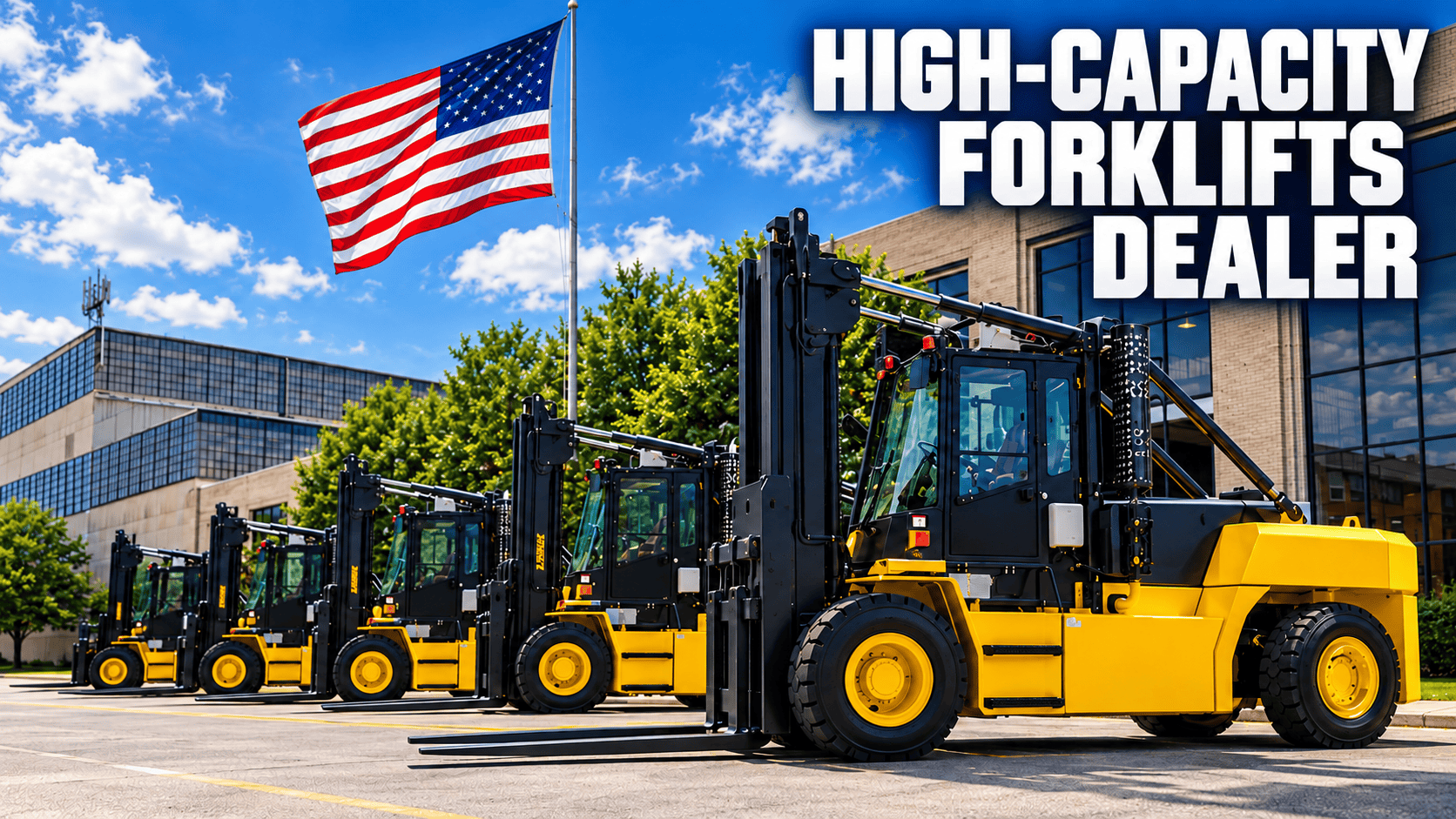
What Makes Forklift Exchange Different When Buying Used, Rebuilt, and High-Capacity Forklifts There are more places to buy a forklift today than ever before. Equipment marketplaces, auctions, dealer websites, and online listings can put hundreds of machines in front of a buyer in minutes. But finding
Read More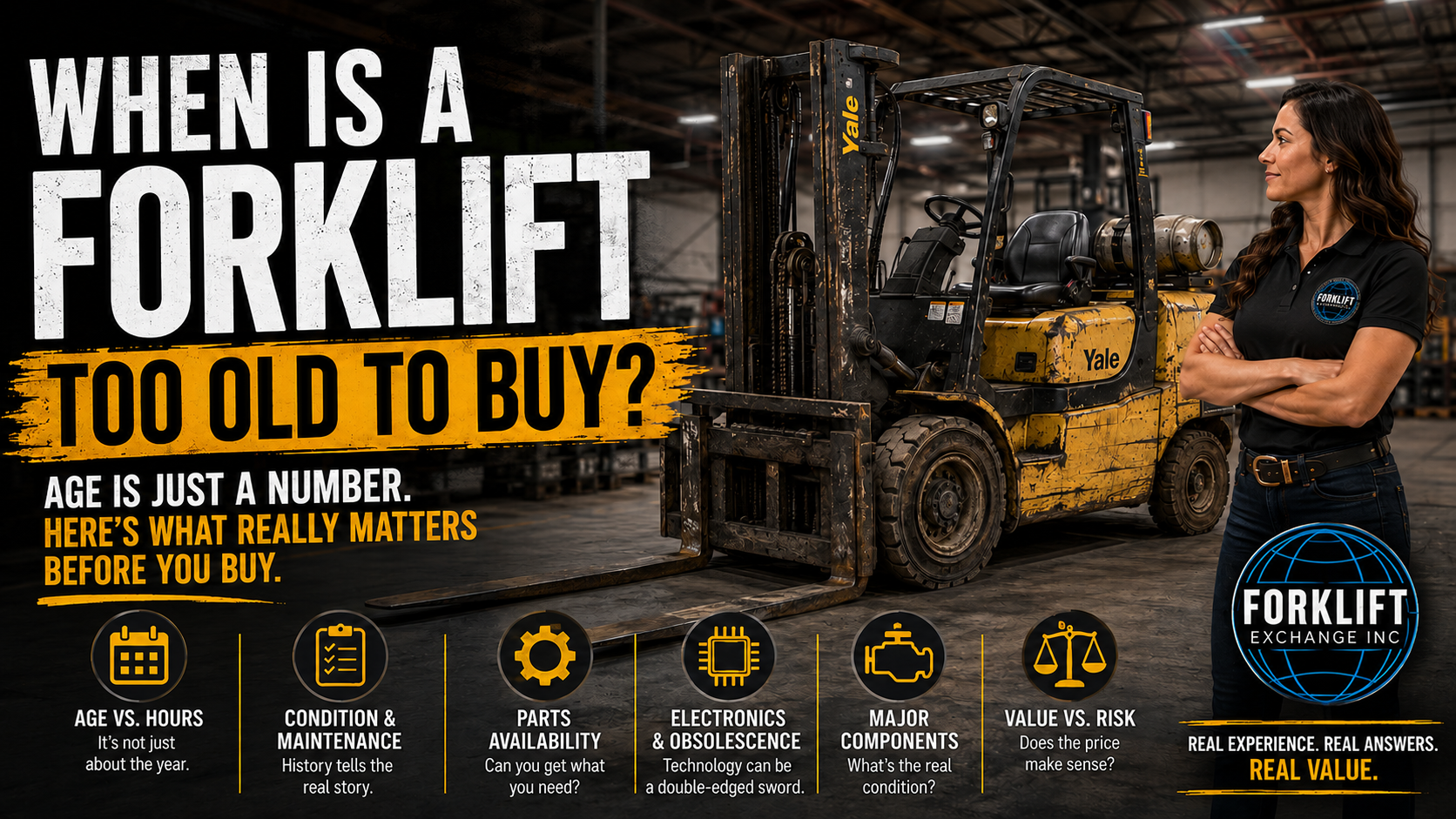
When is a forklift too old to buy? Learn why condition, hours, maintenance history, parts availability and application matter more than age alone.
Read More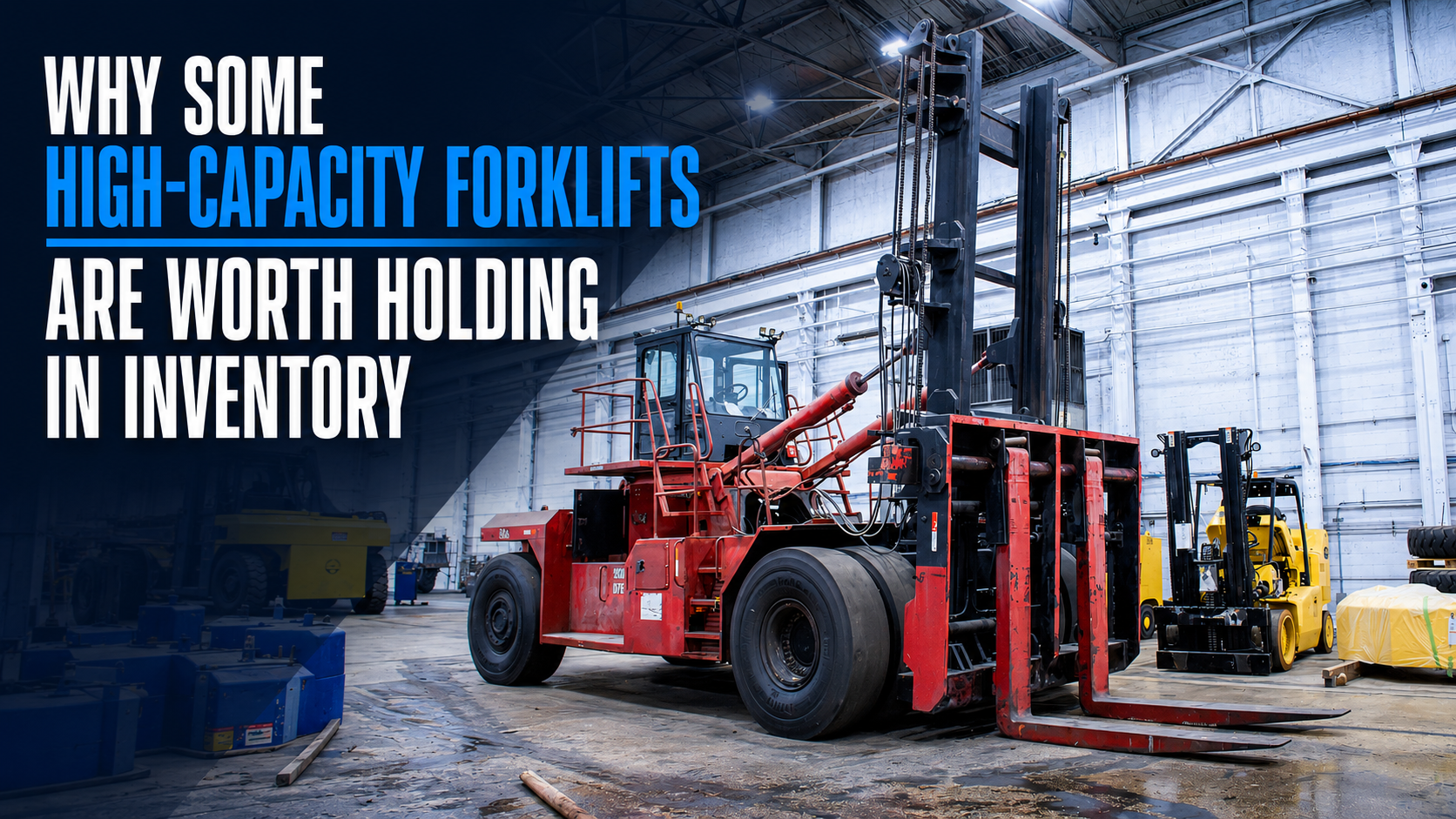
In most parts of the forklift business, inventory is expected to turn. Buy the right machine, price it correctly, and move it along. But once you get into very high-capacity forklifts, the economics change. Sometimes the right decision is to buy a forklift knowing it may
Read More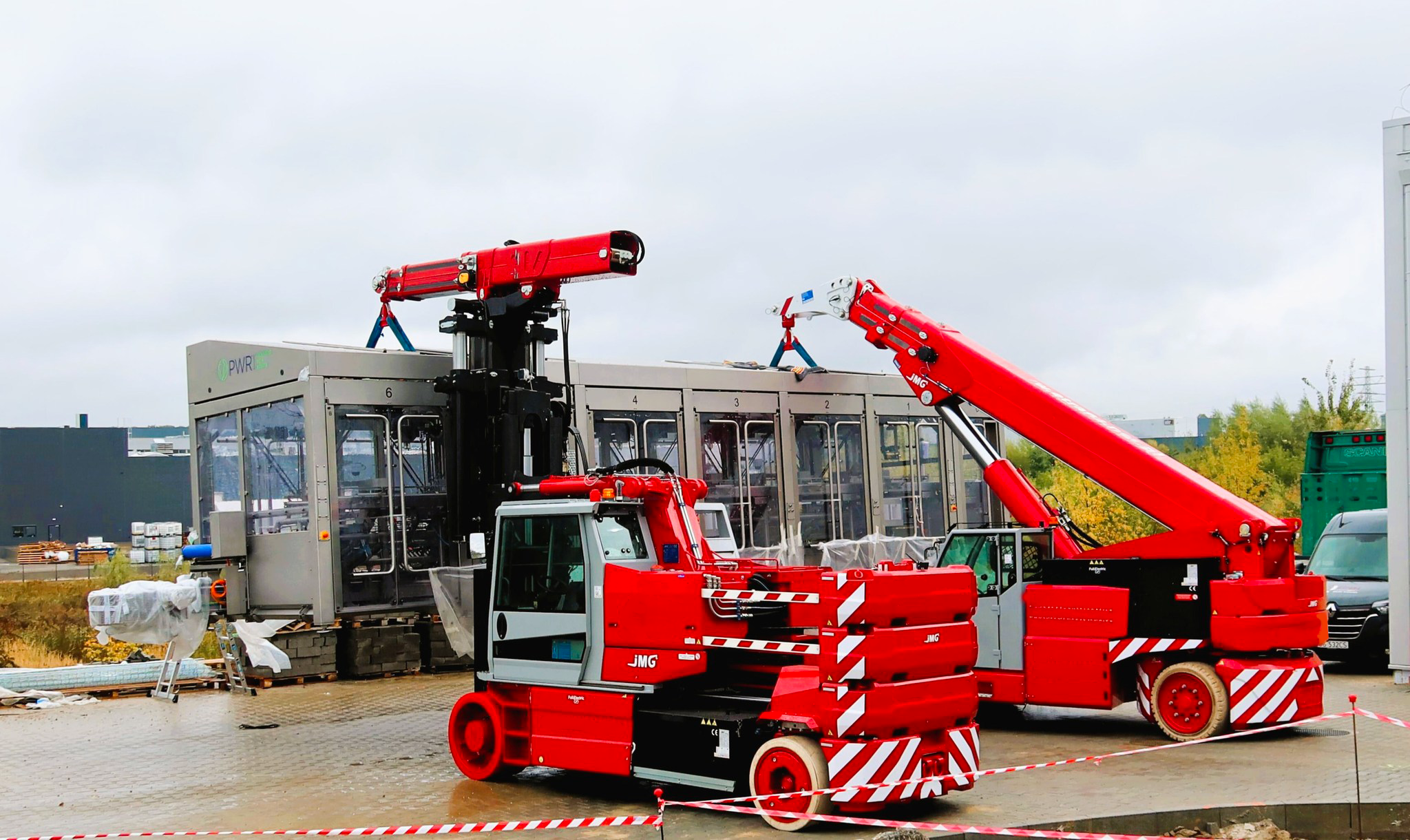
Compact cranes provide a practical way to lift, transport, and position heavy equipment inside industrial facilities where floor space, access, and overhead clearance are limited. Their small footprint and precise controls allow them to operate in narrow aisles, around production machinery, and in other areas that
Read More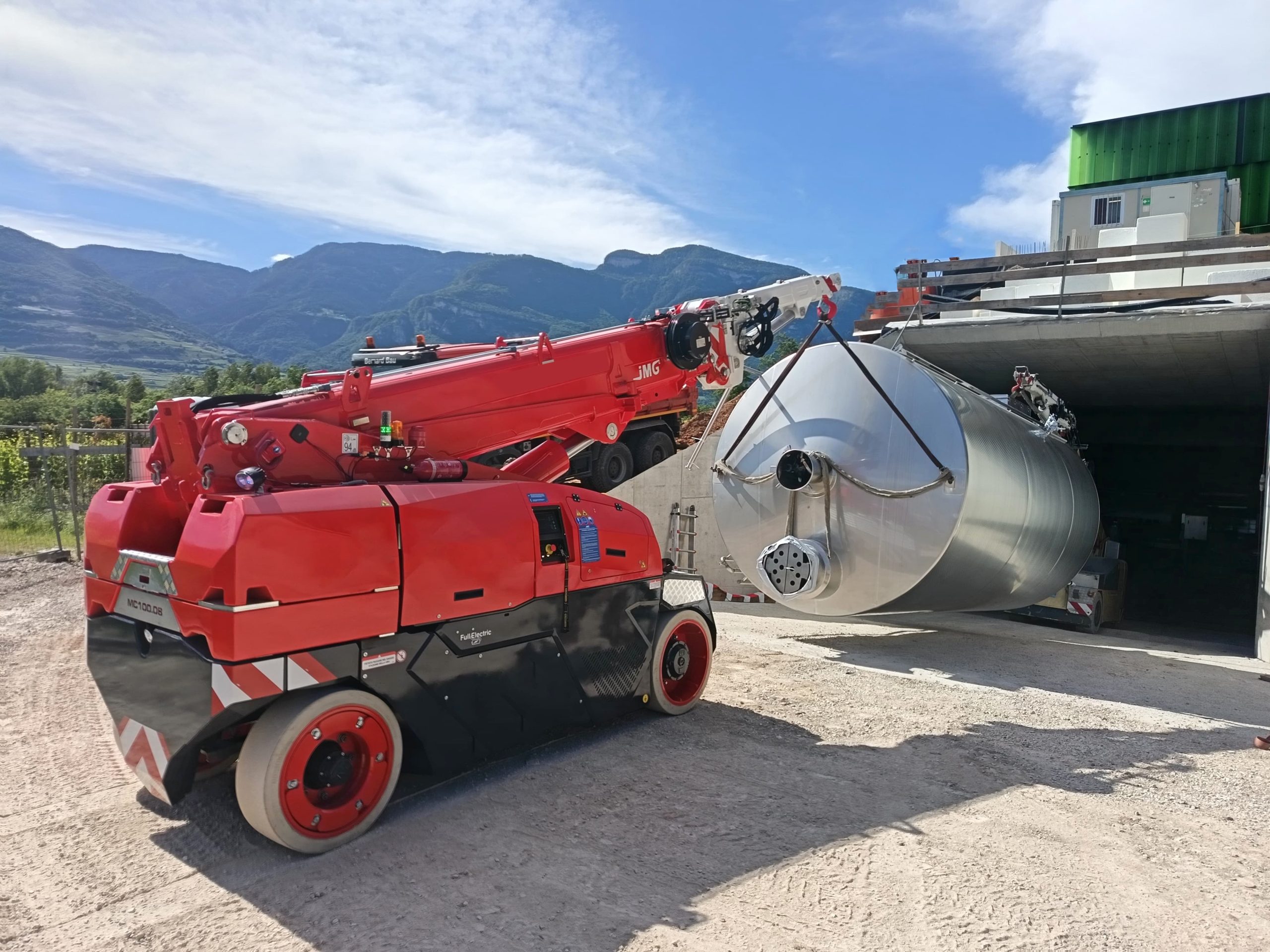
A JMG crane demo gives your team the opportunity to see how a compact electric pick-and-carry crane performs under real working conditions. Rather than relying only on specifications, brochures, or videos, you can evaluate the crane’s maneuverability, lifting control, operator visibility, and suitability for your facility.
Read More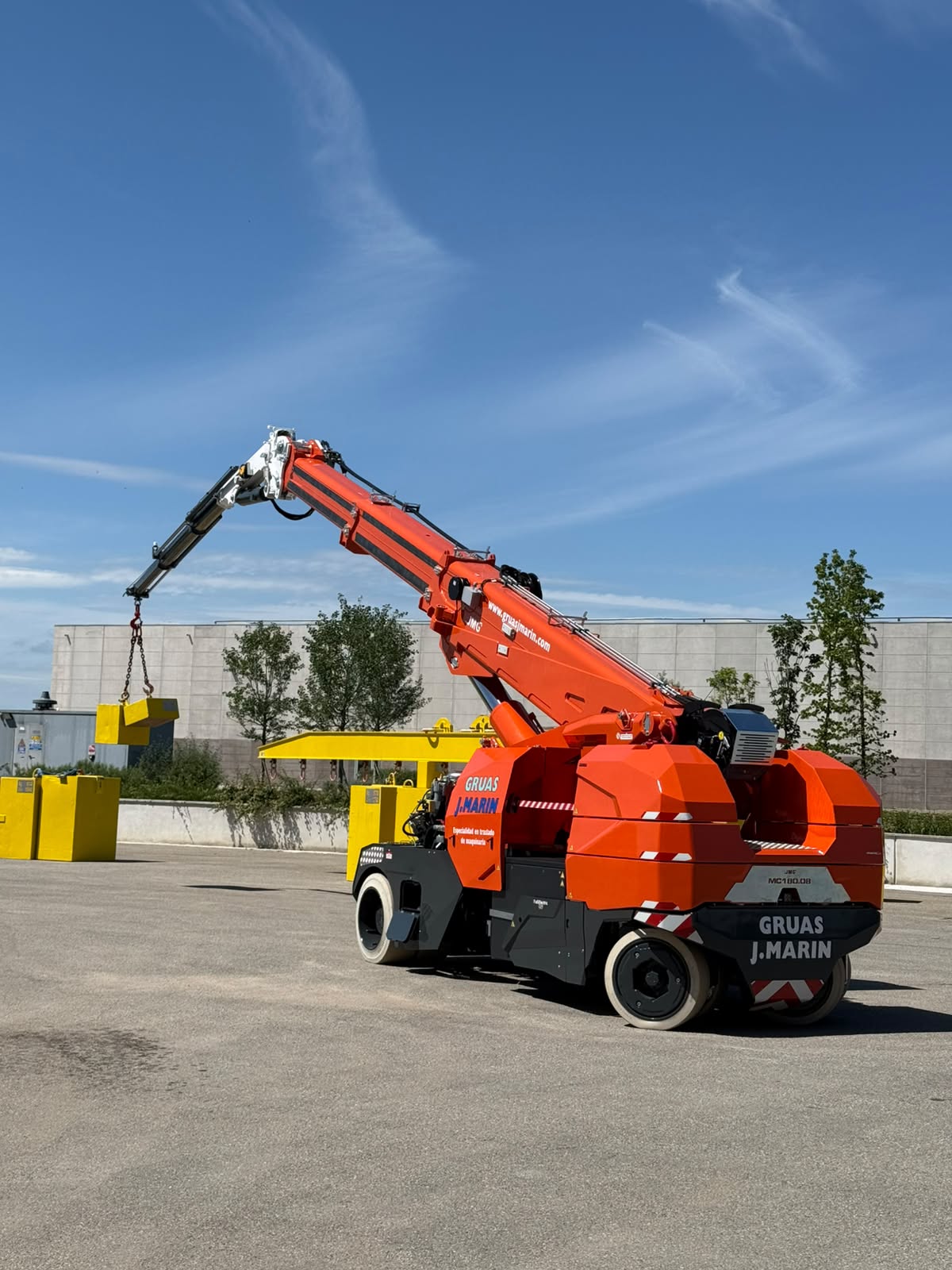
The JMG MC180.08 electric pick and carry crane delivers the lifting power required for demanding industrial jobs while maintaining the maneuverability needed inside busy facilities. With a maximum lifting capacity of 66,100 pounds, fully electric operation, and interchangeable boom configurations, it offers a flexible alternative to
Read More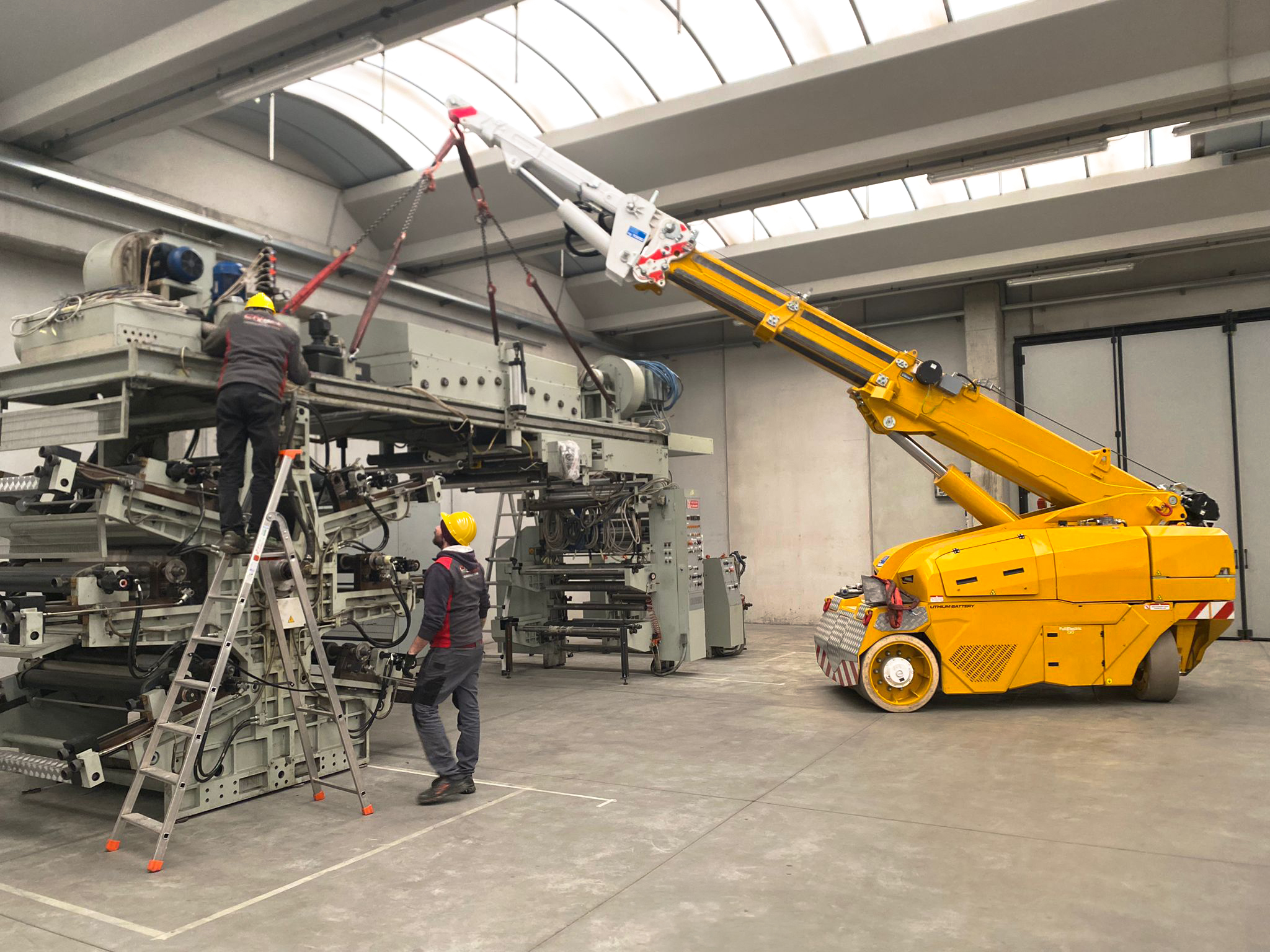
Forklifts and pick & carry cranes are both valuable pieces of material handling equipment—but they aren’t designed to do the same jobs. Understanding the differences can help improve productivity while increasing safety on the job. Forklifts are built to transport palletized loads. They excel at moving
Read More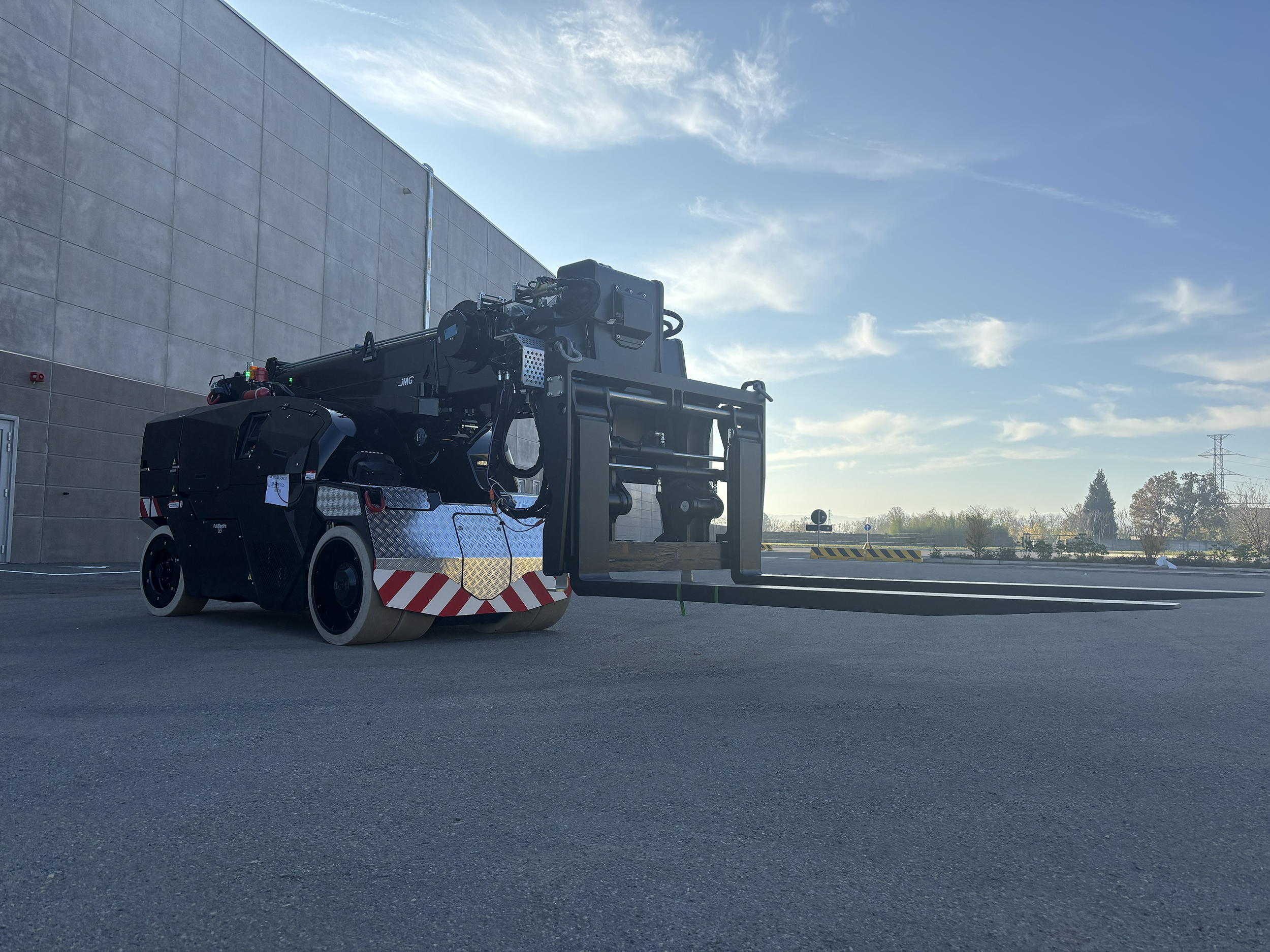
Every hour spent performing routine maintenance is an hour your equipment isn’t generating value. That’s one reason more companies are evaluating fully electric lifting equipment. Compared to traditional internal combustion machines, electric cranes typically eliminate many common maintenance items such as engine oil changes, fuel filters,
Read More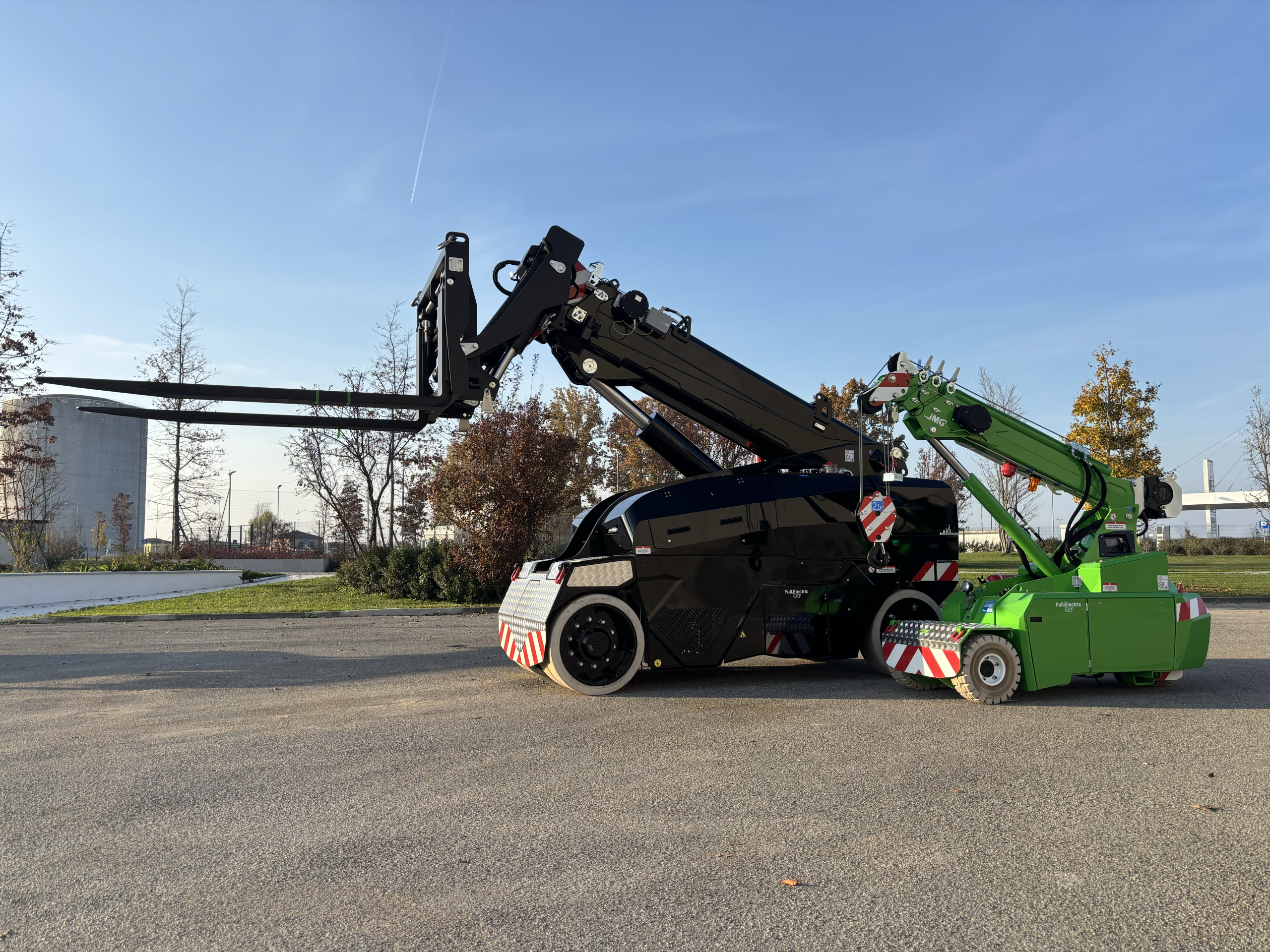
Industrial lifting equipment is expected to perform every day in demanding environments. That starts with thoughtful engineering and quality manufacturing. JMG cranes are proudly designed and manufactured in Italy, where decades of engineering experience have helped shape a product line focused on precision, innovation, and reliability.
Read More