
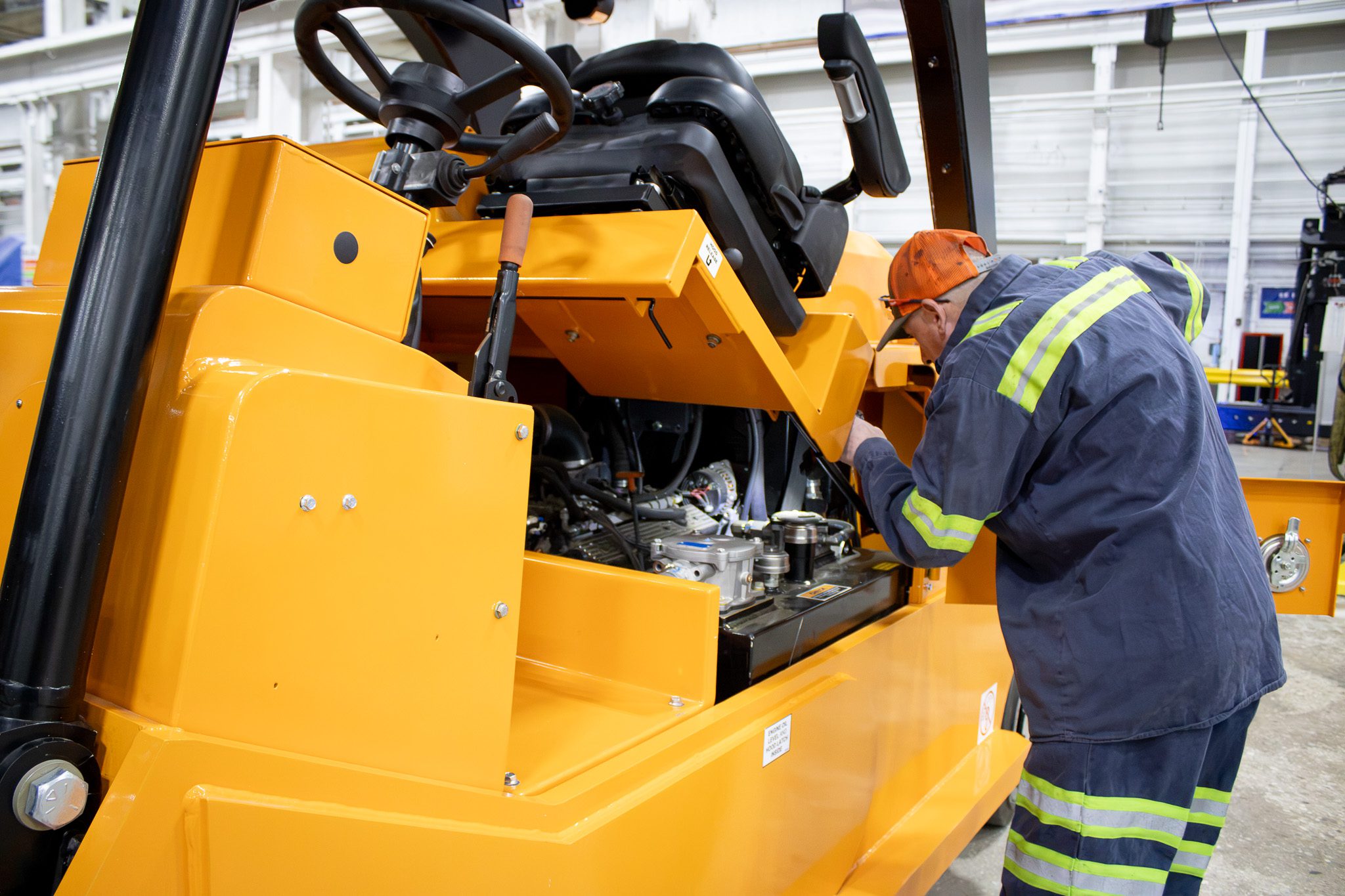
A high-capacity forklift is built to handle demanding work. Whether it’s moving heavy steel, positioning machinery, or handling boats at a marina, the equipment needs to be ready when the job calls for it.
Over time, even a well-maintained forklift will need replacement parts. Filters, seals, hydraulic components, and other wear items all have a service life. The parts you choose during those repairs can have an impact on how well the truck continues to perform.
That’s where OEM Parts come in.
Original equipment manufacturer, or OEM, parts are supplied by the equipment manufacturer for its equipment. When matched to the correct model and serial number, they help take the guesswork out of fit and compatibility.
A forklift is made up of systems that depend on each other. Hydraulics, cooling, steering, brakes, and electrical components all need to work as intended for the truck to perform its job.
A replacement part may look like the original, but appearance alone doesn’t tell the whole story. Dimensions, materials, pressure ratings, and other specifications can make a difference once the truck is back under load.
Using the correct OEM forklift parts helps ensure they are selected for that application. A properly matched seal or hydraulic component, for example, is intended to fit and operate within the system it serves. That helps reduce the chance of fitment issues that can lead to leaks, additional adjustments, or repeat repairs.
Small problems don’t always stay small.
A worn seal can allow a leak to develop. A filter that isn’t suited to the application may not protect a system as intended. Left unaddressed, those issues can affect other components and turn a routine repair into a larger one.
Replacing worn parts with the correct components, and doing so at the right time, helps protect the systems around them. It also gives your maintenance team an opportunity to catch related wear before it becomes a bigger problem.
When a forklift goes down, the impact reaches beyond the machine itself. A rigging crew may be waiting to move equipment into position. A steel operation may need the truck to keep material moving. At a marina, a busy day can depend on a forklift being ready for the next boat.
Getting the correct part the first time helps a repair move forward without unnecessary fitment issues or extra trips back to the parts counter. It also makes it easier for technicians to maintain the truck according to the manufacturer’s specifications.
OEM parts cannot prevent every breakdown, but they’re part of a maintenance approach focused on dependable equipment and fewer avoidable interruptions.
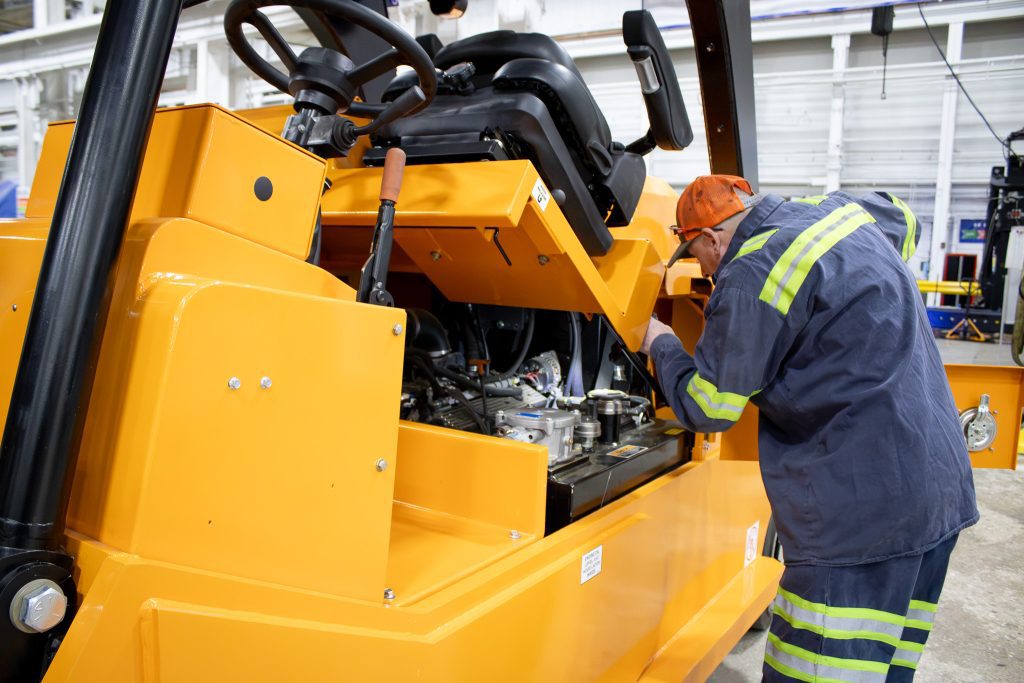
It’s understandable to compare replacement parts by price. But the purchase price is only one piece of the total cost.
Consider the time required to install the part, the possibility of a repeat repair, and what it costs your operation when the forklift is unavailable. A correctly matched OEM parts component may cost more upfront, but it can help avoid fitment problems and support a dependable repair.
The best decision is one that considers the truck, the application, and the work it needs to do.
Even the right parts need to be supported by consistent maintenance. Daily inspections, scheduled service, proper lubrication, and timely repairs all contribute to the life of your forklift.
Keep your maintenance records up to date and have the truck’s model and serial number available when ordering parts. Forklifts can have different configurations and production changes, so those details help identify the correct component for your specific machine.
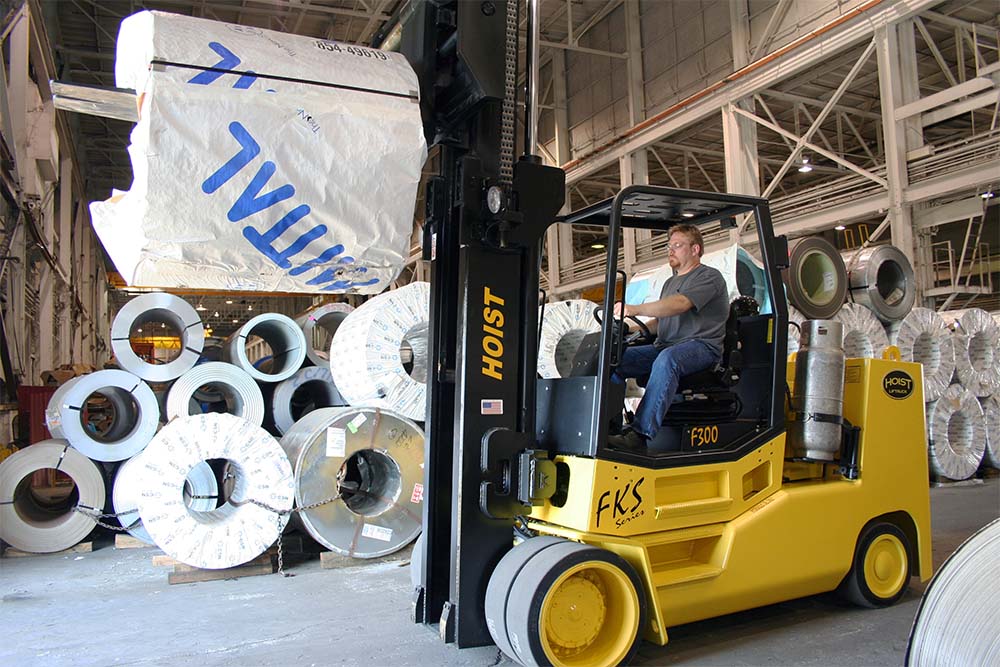
A forklift’s lifespan depends on more than one repair. It comes down to the maintenance decisions made throughout the truck’s life: catching wear early, using the right parts, and keeping service consistent.
At Forklift Exchange, we understand how important it is to keep your equipment moving. If you need help identifying a part for your forklift, send me the model and serial number along with a part number, description, or photo. I’ll be happy to help.
Adrian Palacios
Parts Manager | Forklift Exchange
📞 312-771-8507
📧 apalacios@forkliftexchange.com
Comments are closed