
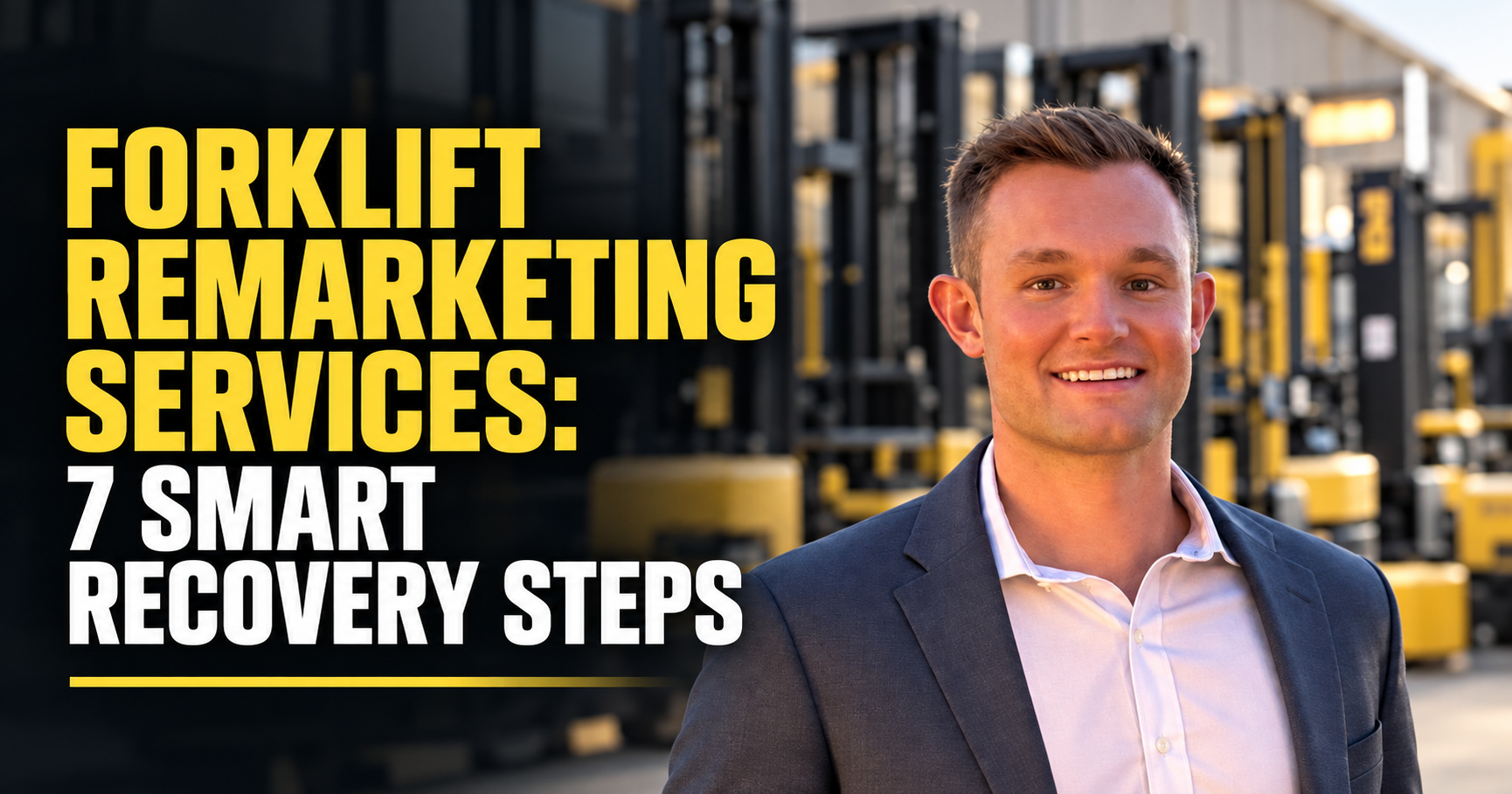
Forklift remarketing services give banks, leasing companies, equipment finance firms, and asset managers a practical way to recover value from off-lease, repossessed, and surplus material handling equipment.
However, successful remarketing involves much more than listing a used forklift for sale. The equipment must be identified, inspected, valued, recovered, transported, stored, marketed, and ultimately placed with an appropriate buyer.
That is where Nick Fiene and the Forklift Exchange team can help.
As Forklift Exchange’s resource for lessors and equipment finance professionals, Nick coordinates each stage of the equipment recovery and disposition process. Whether the assignment involves one returned forklift or an entire off-lease fleet, the objective remains the same: move the equipment into the right market while helping the asset owner maximize its recovery value.
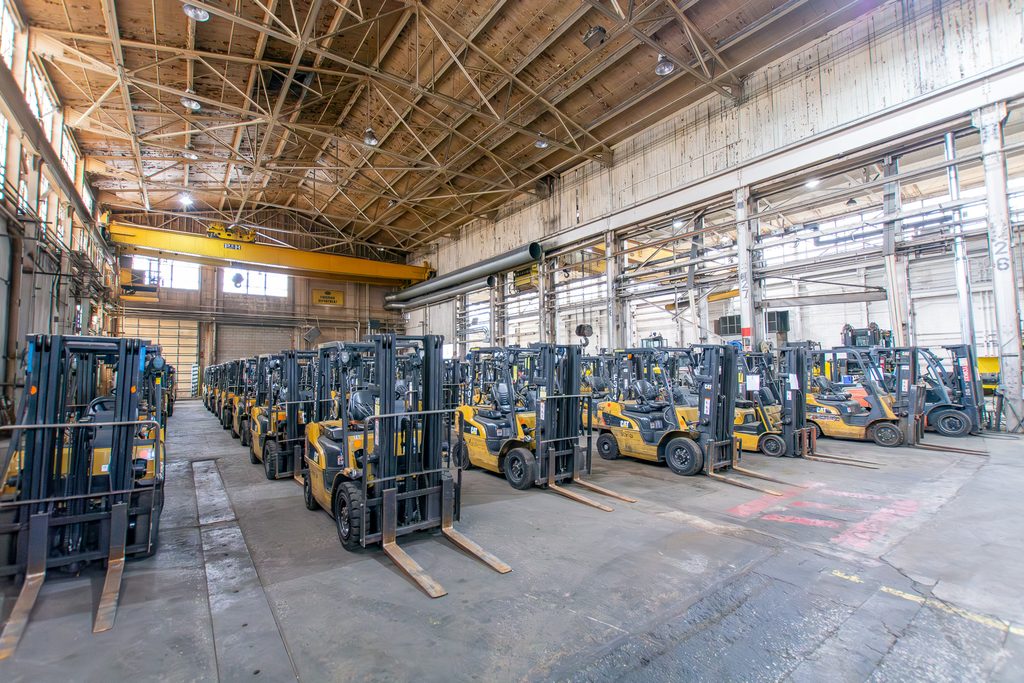
Material handling equipment presents several challenges for banks, lessors, and asset managers. Forklifts vary significantly by manufacturer, capacity, configuration, fuel type, mast specifications, operating hours, condition, and application.
Those differences can have a substantial effect on equipment valuation and buyer demand.
A standard warehouse forklift, for example, will not necessarily reach the same buyers as a high-capacity forklift, marina forklift, container handler, or specialized piece of material handling equipment. Equipment location, condition, transportation requirements, and current market demand also influence the best disposition strategy.
Professional forklift remarketing services bring those considerations together. Instead of coordinating several disconnected vendors, the asset owner can work with one resource throughout the recovery and remarketing process.
The need for informed asset management is especially important in the wider equipment finance market. According to the Equipment Leasing and Finance Association, more than eight in ten U.S. companies use some form of financing when acquiring equipment.
When financed assets reach the end of a lease or enter recovery, an organized remarketing process can help protect their residual value.
A successful disposition begins with accurate information.
Forklift inspections can document key details such as:
This information supports a more reliable equipment valuation. It also helps determine whether a unit should be sold immediately, repaired, reconditioned, relocated, or grouped with other equipment for a fleet sale.
Clear condition reports reduce uncertainty for buyers and help asset owners make better-informed decisions about residual value and disposition.
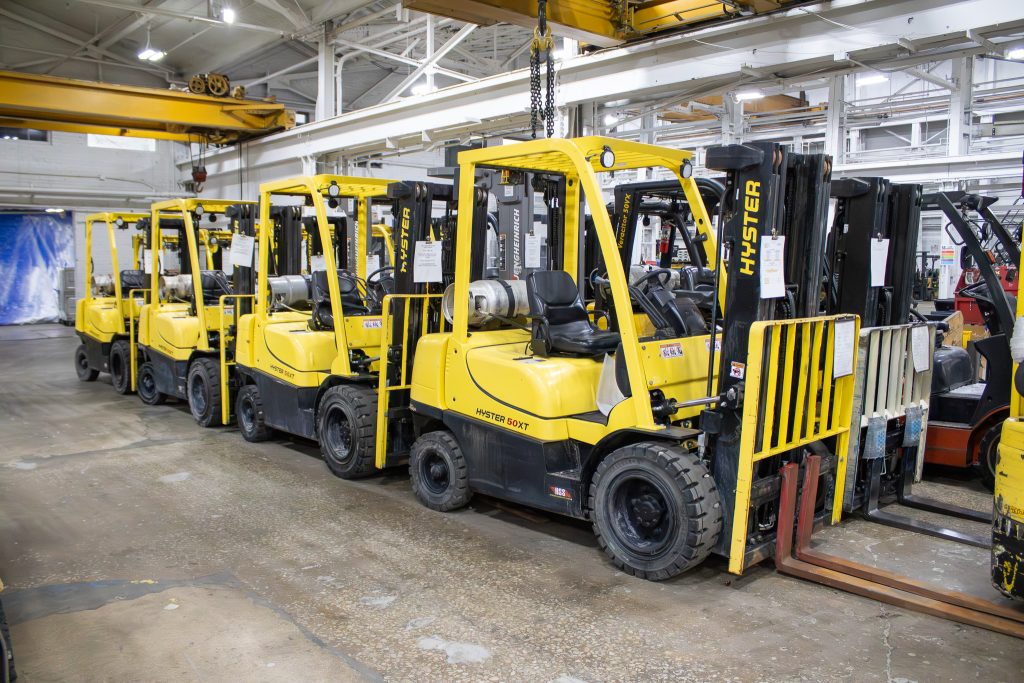
Off-lease equipment can create logistical and administrative pressure, especially when units are returned from multiple locations.
Forklift remarketing services help coordinate end-of-lease returns and fleet turnover. This may include confirming equipment details, assessing its condition, arranging transportation, identifying storage options, and recommending an appropriate sales strategy.
The process can be adapted to a single forklift, a group of related assets, or an entire off-lease fleet.
By establishing a clear plan early, lessors can reduce delays and move equipment toward its next productive use more efficiently.
Repossessed forklifts frequently require fast, organized action.
Once an asset becomes available for recovery, the owner may need assistance locating the equipment, confirming its condition, coordinating removal, and transporting it to a secure facility. Each additional delay can create storage, access, or depreciation concerns.
Nick works with banks, finance companies, and asset managers to coordinate forklift asset recovery and remarketing. The goal is to establish control of the equipment, minimize unnecessary downtime, and prepare the asset for disposition.
Moving a forklift is not the same as transporting ordinary freight. The correct carrier and trailer configuration can depend on the equipment’s weight, height, dimensions, location, and operating condition.
A unit that cannot run or drive may also require specialized loading arrangements.
Transportation coordination helps ensure that off-lease and repossessed equipment reaches the appropriate storage, inspection, or sales location. Secure storage can then provide a controlled environment while the equipment is evaluated and prepared for market.
Combining logistics and storage with forklift remarketing services gives asset owners a more consistent process from recovery through sale.
Effective equipment remarketing depends on market knowledge and buyer reach.
Forklift Exchange works within the material handling industry and maintains relationships with equipment dealers and buyers. That network helps expose assets to audiences that understand the equipment and its potential applications.
The best remarketing strategy may vary according to:
A targeted approach can produce a better result than sending every asset through the same sales channel. Matching the forklift with a relevant market is an important part of maximizing recovery value.
Managing one forklift is different from disposing of a fleet.
A fleet may include units from several manufacturers, different capacity classes, mixed power types, and varying levels of condition. Some forklifts may be ready for immediate resale, while others may require repairs, relocation, or an alternative liquidation strategy.
For larger assignments, Nick and the Forklift Exchange team can help organize the equipment, document the fleet, evaluate individual units, and develop a coordinated remarketing plan.
This provides banks, lessors, and asset managers with a single point of contact while allowing each asset to be directed toward an appropriate disposition channel.
Not every material handling asset should follow the same path.
Depending on its condition and marketability, final asset disposition may involve a retail sale, wholesale transaction, dealer sale, fleet liquidation, or another recovery strategy. The strongest option is the one that appropriately balances recovery value, carrying costs, logistics, and timing.
Forklift remarketing services help asset owners evaluate those factors and move each unit toward a practical resolution.
From the initial inspection to the final transaction, Forklift Exchange can coordinate the process as an end-to-end solution.
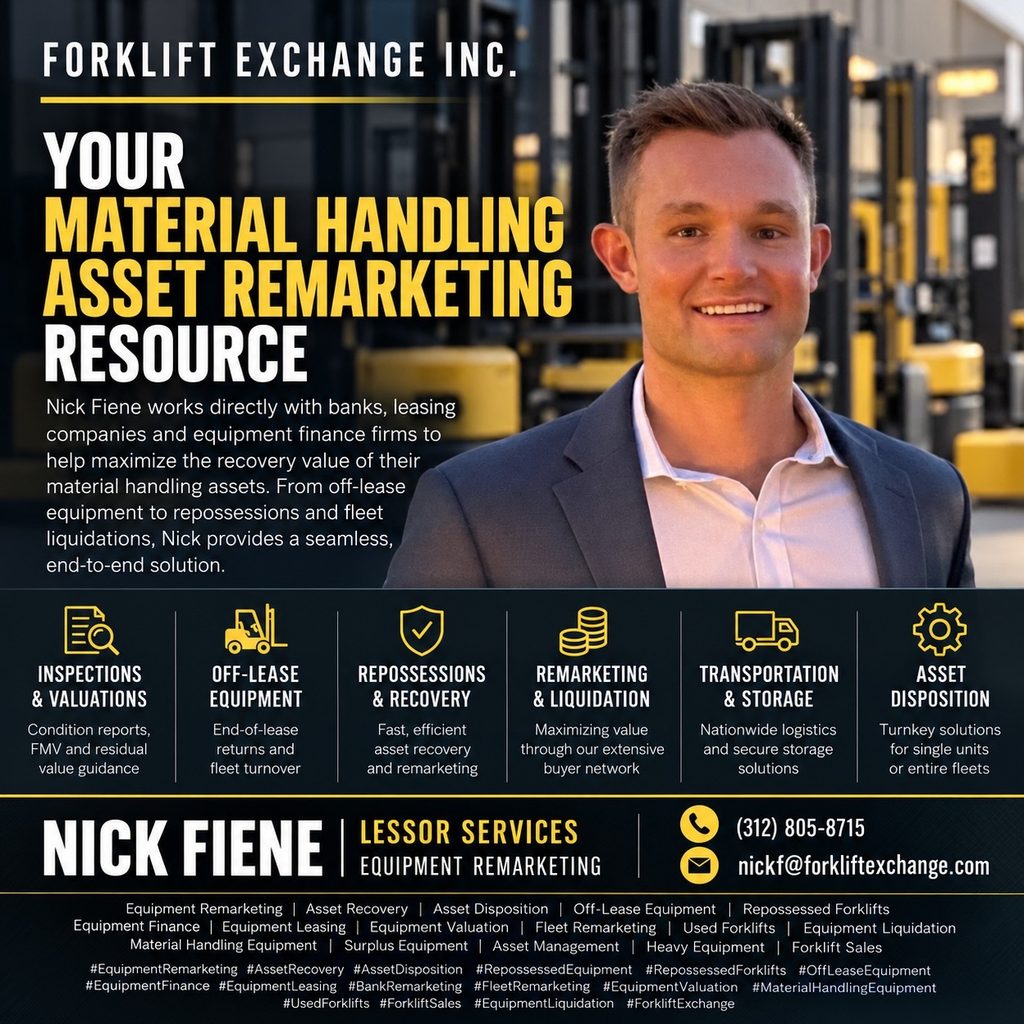
Nick Fiene is a National Account Manager at Forklift Exchange who focuses on relationships with banks, leasing companies, equipment finance firms, and asset managers.
He works closely with equipment owners and dealers to facilitate material handling asset transactions throughout the United States. His role is to help clients navigate inspections, valuations, recovery, transportation, storage, remarketing, liquidation, and final disposition.
Whether you are managing one returned forklift, a repossessed asset, surplus equipment, or an entire off-lease fleet, Nick can help develop a plan for moving the equipment into the right market.
Learn more about Forklift Exchange’s complete lessor services and equipment remarketing solutions.
Off-lease and repossessed forklifts should not remain unresolved longer than necessary.
With coordinated forklift remarketing services, banks, lessors, and equipment finance firms can simplify the recovery process, reduce logistical complications, and pursue stronger disposition outcomes.
To discuss a single asset, a fleet, or an ongoing remarketing relationship, contact:
Nick Fiene
National Account Manager
Forklift Exchange, Inc.
Phone: (312) 805-8715
Email: nickf@forkliftexchange.com
Forklift remarketing services help equipment owners inspect, value, recover, transport, store, market, and sell off-lease, repossessed, or surplus forklifts.
Yes. Forklift Exchange can assist with individual units as well as larger groups of material handling assets and complete off-lease fleets.
Equipment valuation typically considers the manufacturer, model, year, operating hours, capacity, specifications, condition, location, attachments, maintenance history, and current buyer demand.
Forklift Exchange can coordinate transportation and storage as part of an equipment recovery and disposition assignment.
These services are designed for banks, leasing companies, equipment finance firms, asset managers, fleet owners, and other organizations responsible for off-lease, repossessed, or surplus material handling equipment.
Comments are closed