
Knowing when not to buy a forklift can save your company thousands of dollars. After more than 20 years in the forklift industry, people are sometimes surprised when I tell them, “I don’t think you should buy this forklift.”
It may sound strange coming from someone in equipment sales. But the best long-term business relationships aren’t built by closing every possible deal. They’re built by helping customers make the right decision—even when that means repairing their current equipment, renting a forklift, or waiting for a better machine.
So, when not to buy a forklift? Here are five situations when buying a forklift may not be the right move.
Your Current Forklift Still Has Life LeftNot every aging forklift needs to be replaced. If a truck has a solid powertrain, readily available parts, and the repair costs make financial sense, I’ll often recommend repairing it instead of replacing it. Too many companies replace equipment simply because it’s getting older, not because it’s no longer productive.
Before replacing a machine that still has useful life, review its condition and consider professional forklift repair and service.
You’re Buying More Forklift Capacity Than You Need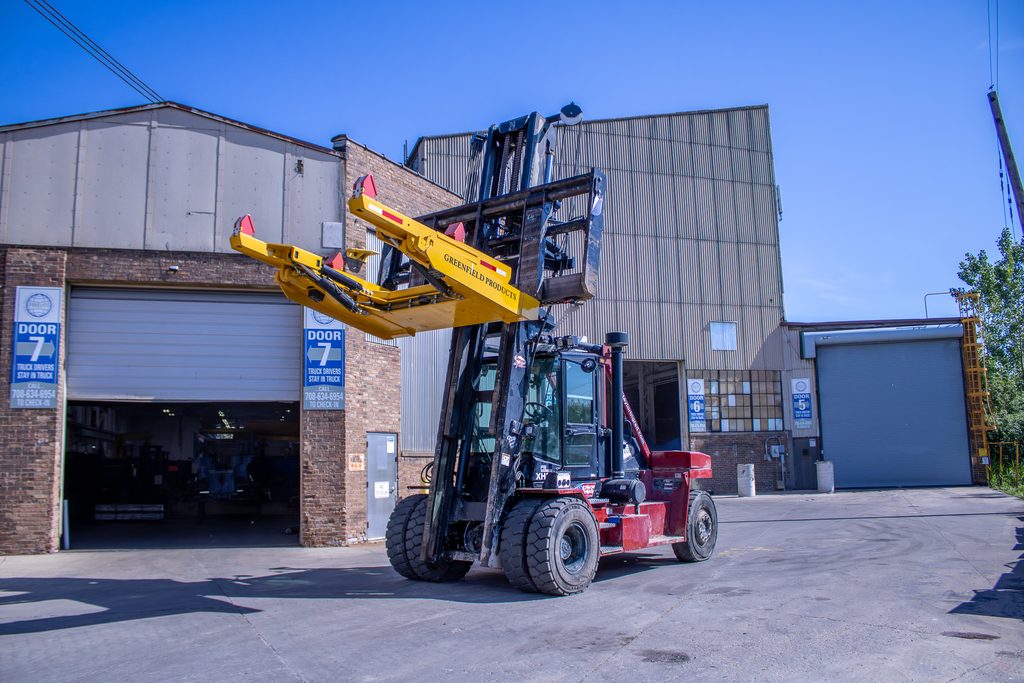
Bigger isn’t always better. I regularly see companies shopping for a 12,000-pound forklift when a properly equipped 8,000-pound truck would handle every load they have.
Buying more capacity than you need often means a higher purchase price, an increased maintenance costs, more expensive tires, higher fuel consumption and even reduced maneuverability. The right forklift is the one that fits your application, not the biggest one on the lot.
Renting a Forklift Makes More SenseSometimes the smartest purchase is no purchase at all. If you only need a specialty forklift for a shutdown, seasonal project, or short-term contract, renting can save thousands of dollars while eliminating long-term ownership costs. Many times your budget requires a fixed cost, with the maintenance included. Owning could lead to unpredicted costs and in those situations, renting will make more sense as well. While you pay more per month to rent than own; renting generally includes maintenance provided by the rental company.
For temporary projects or uncertain timelines, compare ownership costs with Forklift Exchange’s nationwide forklift rental options.
You’re Buying Based Only on PriceThe cheapest forklift is rarely the least expensive forklift to own. I’ve seen companies save a few thousand dollars on the purchase price only to spend far more on repairs, downtime, and lost productivity over the next year. Value is measured over the life of the machine, not just on the day you buy it.
Buyers should also understand the risks of purchasing used forklifts from private sellers and auctions.
The Forklift Doesn’t Fit Your OperationA forklift can be mechanically perfect and still be the wrong machine.
Questions I always ask include:
If the answer to any of those questions is “no,” then it’s not the right forklift. It will only cost both of us to push you into the wrong lift only to have it returned.
How to Know When Not to Buy a ForkliftAnyone can sell equipment. What matters is earning enough trust that when the time is right to buy, you’re the first person the customer calls. I’ve found that saying “not yet” or “this isn’t the right truck” often creates stronger relationships than pushing a sale that isn’t in the customer’s best interest.
In the end, my goal isn’t simply to sell another forklift; it’s to help companies make decisions that improve their operations and reduce their total cost of ownership. Sometimes that means selling a truck. Sometimes it means recommending a repair, a rental, or waiting for the right opportunity.
Those conversations may not produce an immediate sale, but they almost always build long-term trust and that’s worth far more than any single transaction.
Special Note: If you’re still reading, like and share. It’s appreciated. At Forklift Exchange, we help customers determine whether new, used, refurbished, or rebuilt equipment makes the most sense for their application. If you’re planning a purchase and would like a second opinion, I’d be happy to discuss your options, send me a message.
Not sure whether to buy, repair, or rent? Forklift Exchange can evaluate your application, capacity requirements, operating environment, and budget before you commit to a machine. If you would like a second opinion, contact Jason Flaska at 630-842-0779 or jasonf@forkliftexchange.com.
Check out some of my other articles….
Repair may make more sense when the forklift has a sound powertrain, readily available parts, and repair costs that remain reasonable compared with replacement.
Renting may be preferable for seasonal demand, short-term projects, specialized lifts, or situations where predictable maintenance costs are important.
Consider the heaviest load, load center, maximum lift height, attachments, aisle dimensions, door clearances, surface conditions, and operating environment—not just the load’s stated weight.
Usually not. Maintenance history, mechanical condition, parts availability, expected downtime, and future repair costs can matter more than the initial purchase price.
Comments are closed